Light in Darkness
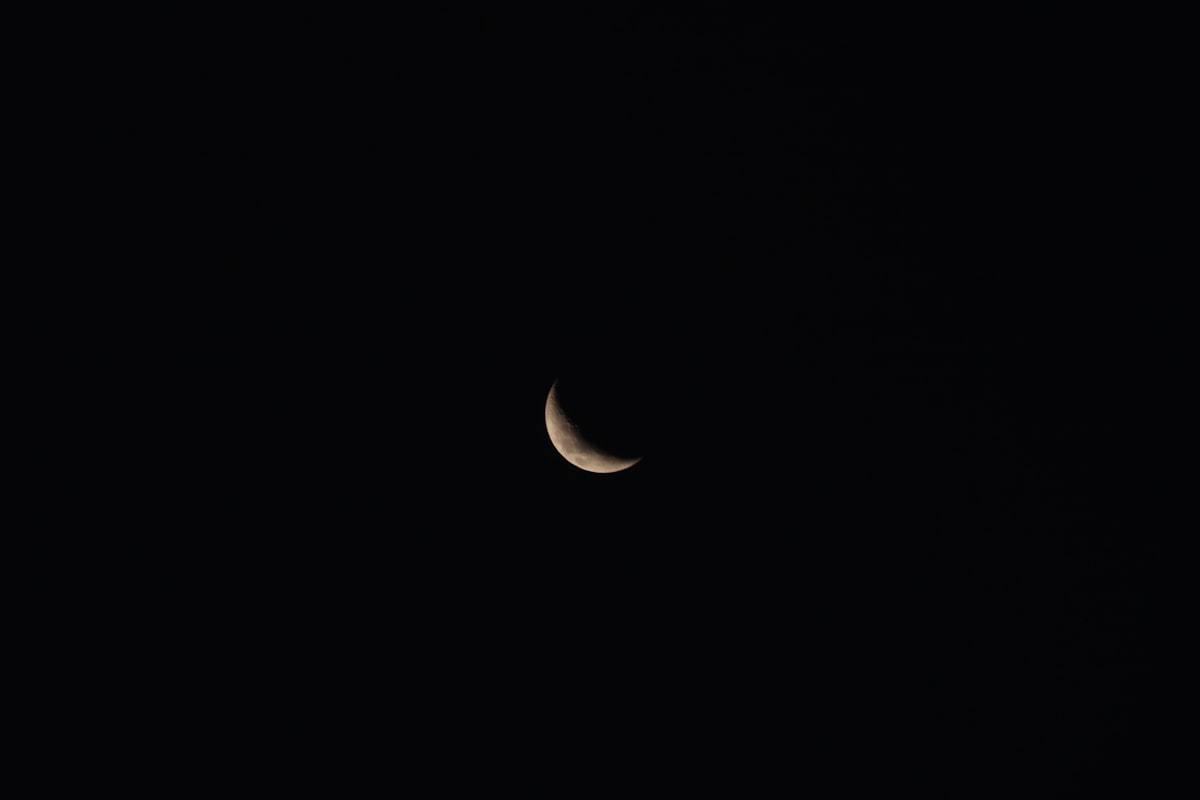
The new moon is the darkest night of the lunar cycle. And for as long as people have been people, they’ve responded to that darkness with flame. Not to chase the dark away — but to exist inside it with some sense of agency.
This practice has roots much deeper than anything I can claim. Cultures all over the world, across thousands of years, have marked the new moon with fire and intention. I’m just continuing something that started long before me.
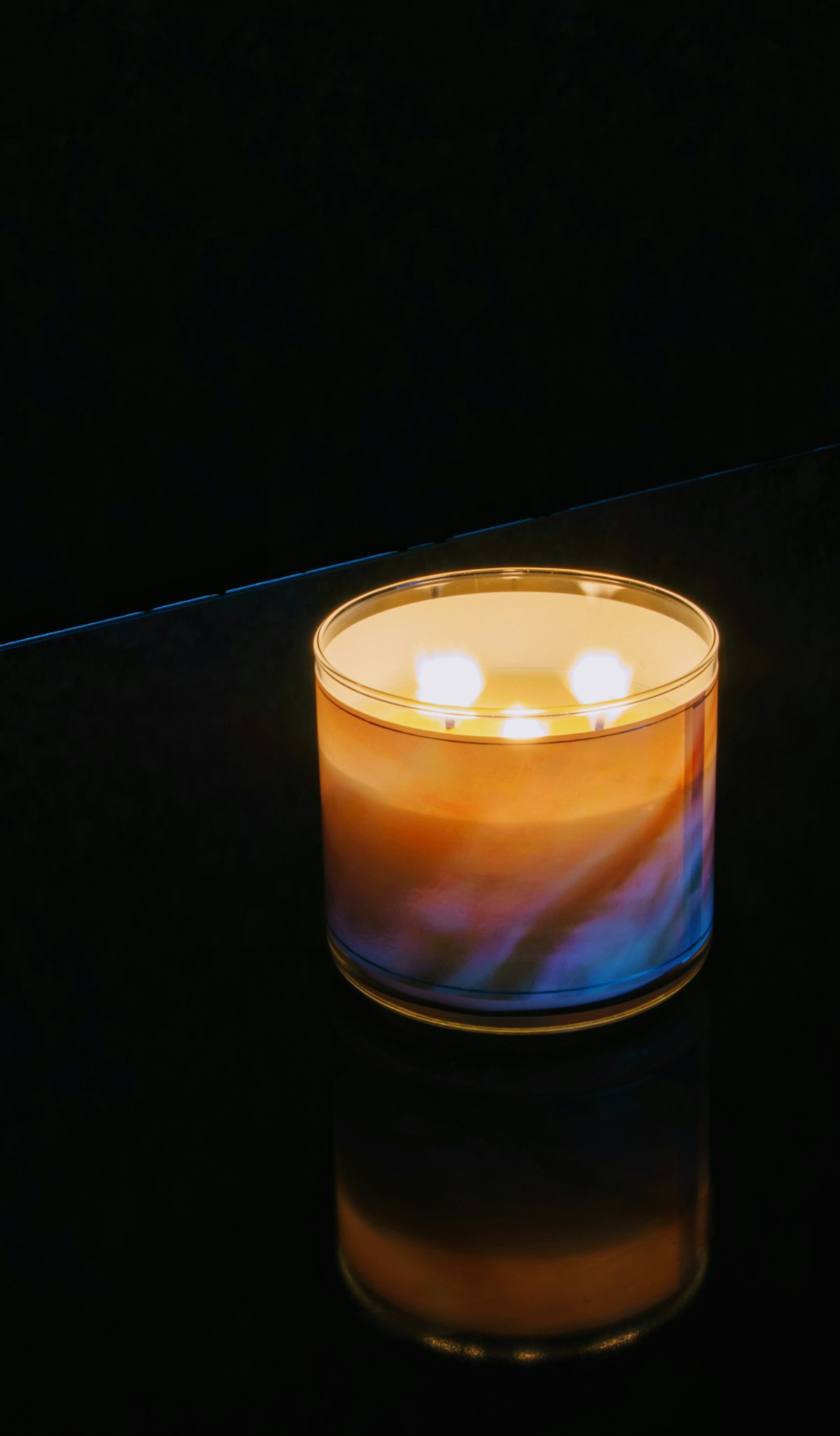
A candle on the new moon is a quiet declaration: I’m here, in the dark, and I’m choosing to see.
A Practical Anchor
Here’s what I’ve found — intentions stay abstract until they have something physical to hold onto. The act of lighting a candle — choosing it, placing it, striking the match, watching the wick catch — turns a thought into a gesture. The flame becomes this tangible thing in your real space, burning in real time, representing something you decided to begin.
There’s something about that shift from “thinking about it” to “doing something about it” that I don’t think I can fully explain. But I’ve felt it. And I keep coming back to it.
Why It Keeps Working
I think people keep burning candles at the new moon because the practice just… works. And not in some mystical, hand-wavy way — in a pretty practical, even neurological way. A candle asks for your focus. That focused attention creates something close to a meditative state. In that state, intentions get clearer. Clarity leads to action. Action leads to change.
The candle’s just the catalyst. But it’s a good one.
The darkest night of the cycle isn’t empty. It’s an invitation — if you want to take it.