1. A Surface
Your home is already sacred — I really believe that. A bathroom counter, a windowsill, a corner of a desk. It doesn’t have to look a certain way. What I’ve found matters is that the space is intentional — a place you’ve decided means something.
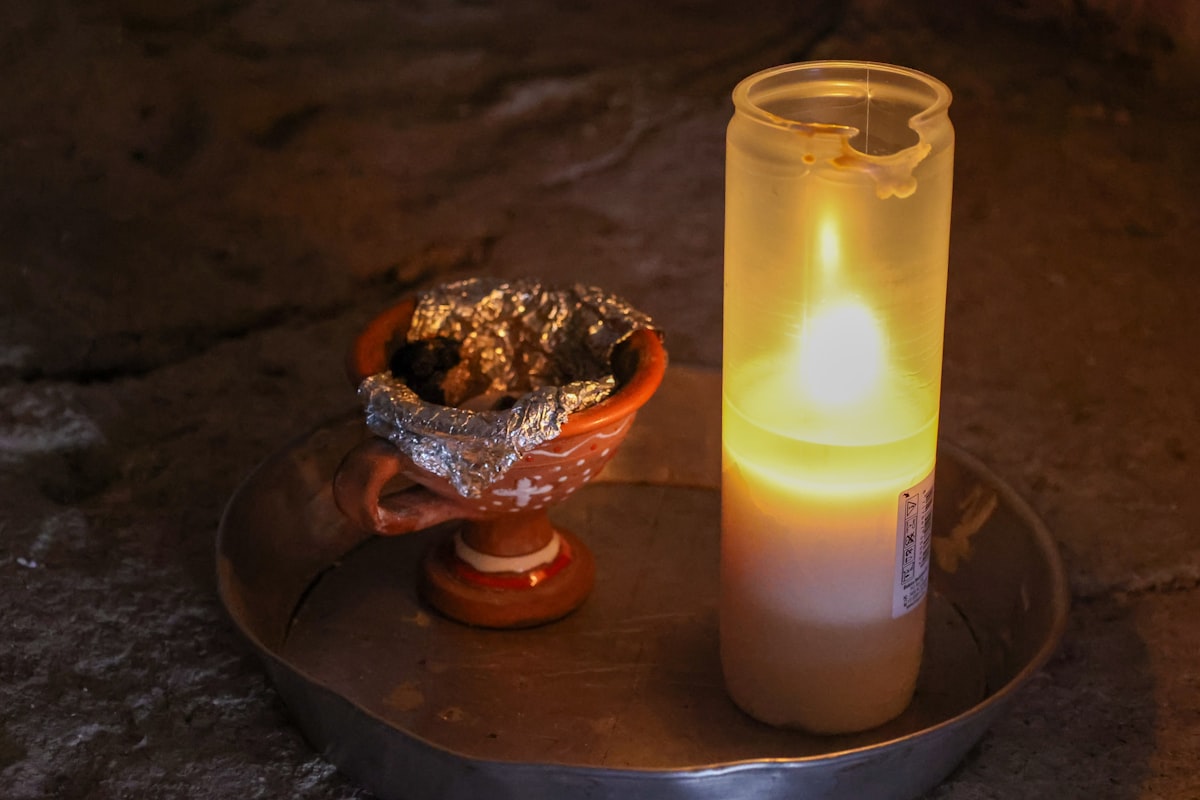
A tray, a plate, a shelf — something that draws a line between the ritual space and the rest of the room. When I place objects on that surface, they stop being just objects. They become part of the practice. The surface is what creates the boundary between the everyday and whatever you need the space to be.
2. A Vessel
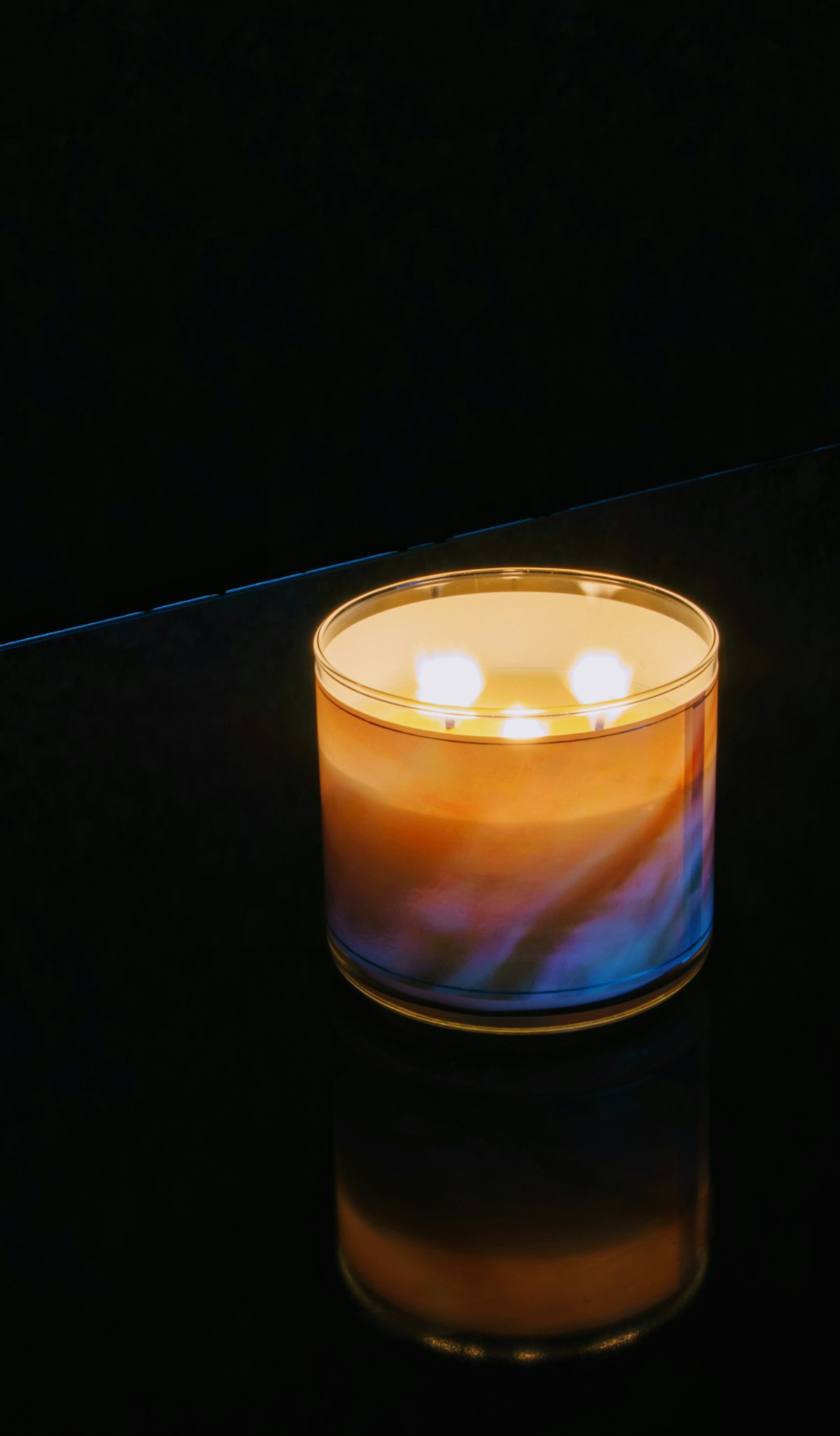
A candle holder, a cup for moon water, a bowl for crystals — something that holds. The vessel represents containment, intention, and care.
Here’s a small thing I wish someone told me: choose one you enjoy touching. The tactile experience of your ritual objects matters as much as how they look. Maybe more.
Many of these practices — moon water, crystal work, altar-keeping — come from traditions far older and deeper than anything I can speak for. I’ve borrowed from them with gratitude, and I try to stay honest about that.
3. Something That Marks the Ending
A snuffer, a bell, a closing breath — something that signals the ritual is complete. I learned the hard way that the ending matters as much as the beginning. Without it, the energy of the practice kind of bleeds into the rest of the day without any closure.
A snuffer is the option I keep coming back to — it ends the flame gently, with reverence instead of a sharp breath. But a bell works. A moment of stillness works. Whatever feels right to you.