The Four-Hour Window
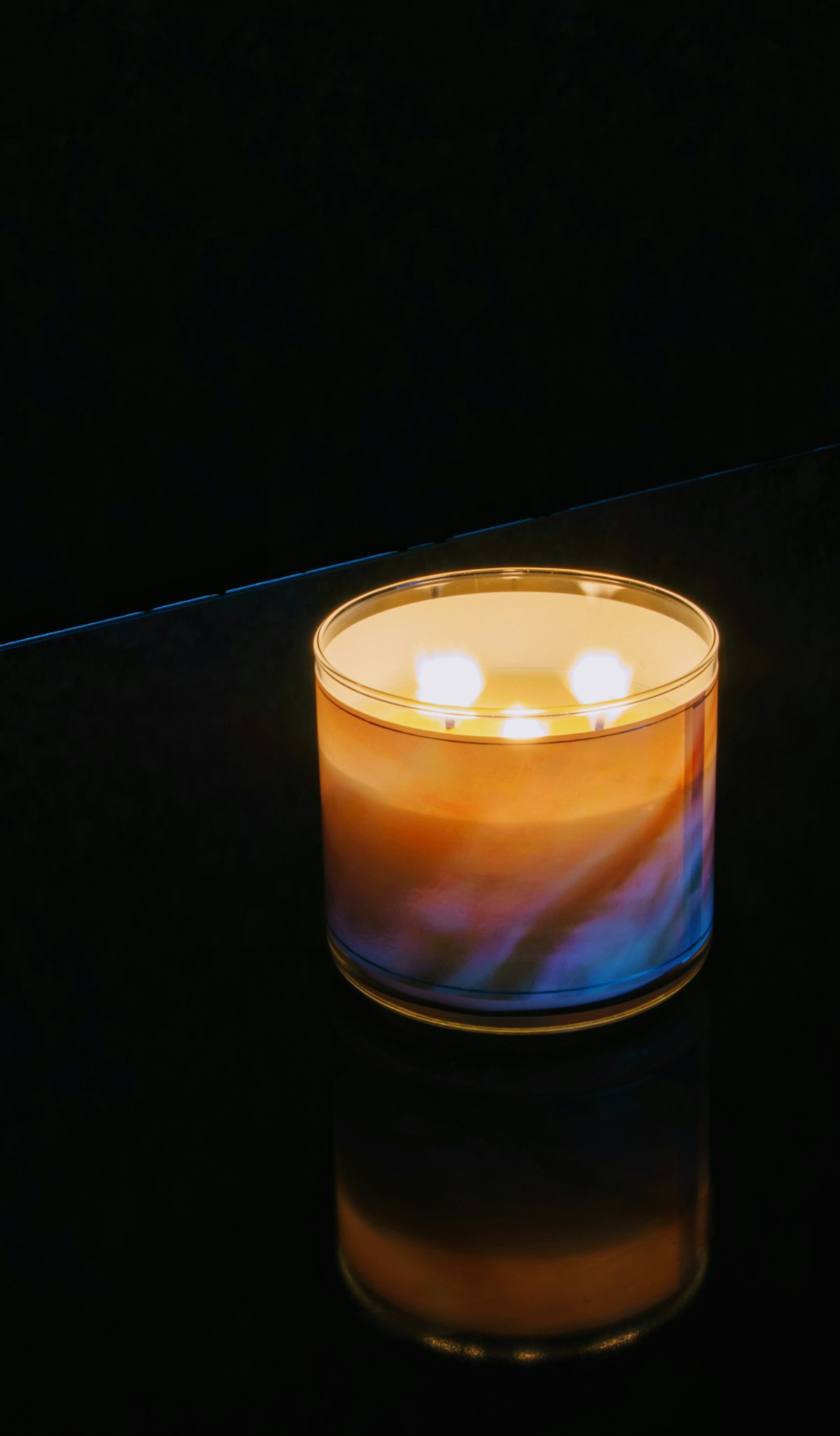
Just a heads-up if you didn’t know this — most candles aren’t meant to burn longer than four hours in a single session. It’s on most manufacturer labels, and there are real reasons behind it.
Heat. After about four hours, the wax temperature climbs to a point where the container itself gets dangerously hot. Glass jars can crack. Metal tins can scorch surfaces. It’s a real risk.
Fragrance breakdown. Fragrance oils have a threshold. Burn too long, and the heat starts breaking down the molecular structure of the oils. The scent goes flat, then acrid, then just… burnt. What was lavender starts to smell chemical. What was sandalwood turns to smoke.
Wick instability. A long-burning wick builds up carbon. The mushroom grows. The flame gets unpredictable — tall, flickering, smoking. That’s the candle saying it’s given everything it can for now.
The Other End
On the flip side — I’ve learned not to burn a candle for less time than it takes for the melt pool to hit the edges. For most candles, that’s about 1-2 hours. Larger ones, 3-4 hours.
Too short causes tunneling. Too long causes damage. The sweet spot is pretty clear: 2-4 hours per session for most standard candles.
What Works for Me
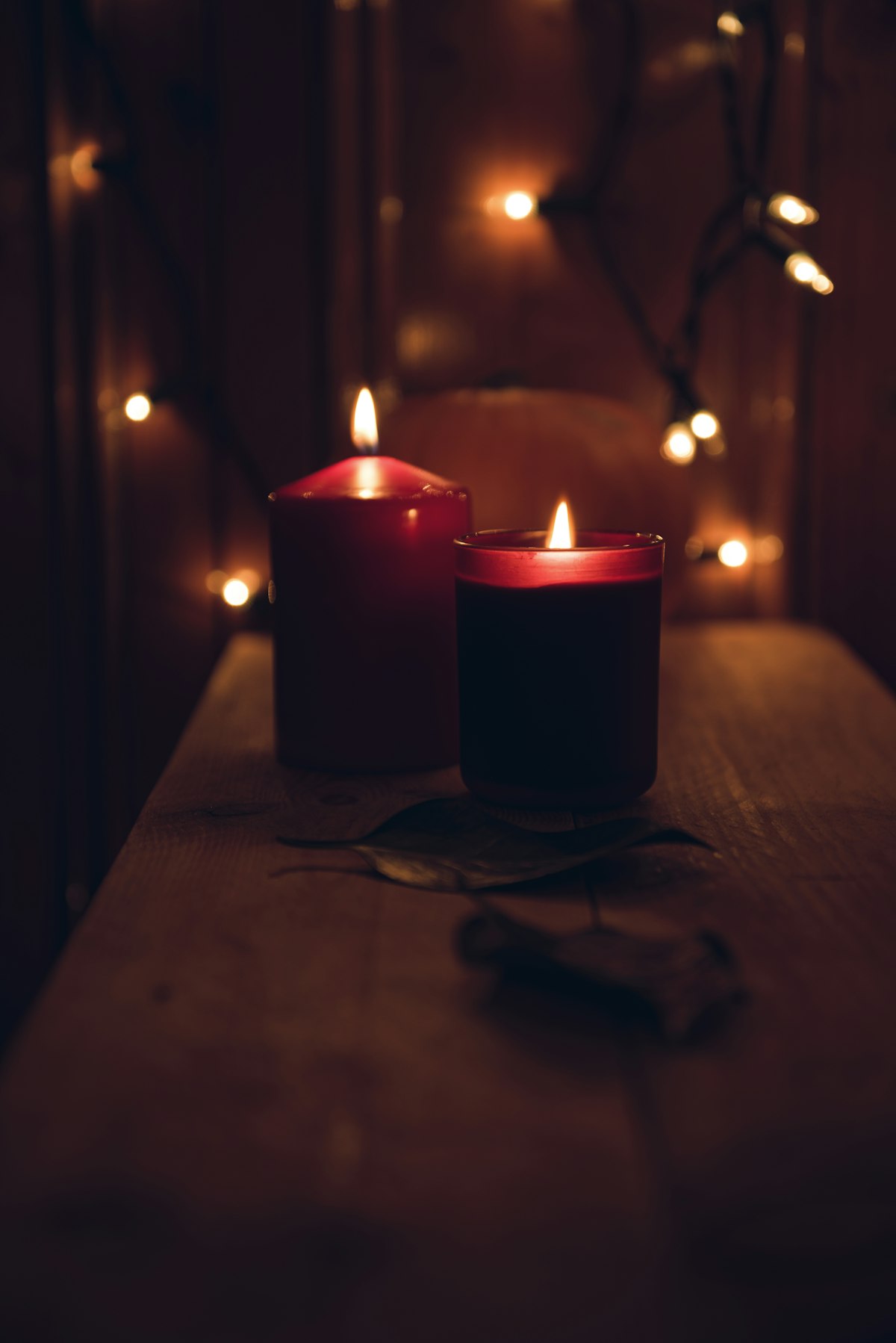
Light it. Wait for the full melt pool. Enjoy. Put it out before the four-hour mark. Let the wax cool and solidify completely before relighting.
More isn’t always better. There’s a point where the flame stops giving and starts taking. Knowing when to put it out — that’s worth something. Even the best things become too much if we don’t know when to step away.